
Gene Alvarez, the Gartner analyst who presented the trends, described the core problem as an “architectural vacuum.” AI generates software faster than people can review it. It creates credentials nobody is tracking. It ties processes to single vendors. His advice was for IT leaders to stop watching model capabilities from the sidelines and start setting boundaries between people, machines and the organization.
Gartner sorts the trends into three themes: AI beyond text, governing the autonomous agent platform, and durable agility. That grouping is used below.
Theme 1: AI Beyond Text
Large Quantitative Models
Ask a language model to forecast cash flow and it will guess, because it was trained to predict the next word. Large quantitative models (LQMs) are built for numerical and time-series data instead. Gartner expects them to let companies simulate decisions before making them, with finance and healthcare among the first to adopt.
A practical first step is to look for places where someone is already asking a general-purpose LLM to do math. Those are the processes most likely to benefit, and the ones carrying the most hidden risk today.
Speech Reasoning Models
Most voice bots turn speech into text and then process the text. Speech reasoning models work on the audio itself, so they pick up intent and tone across a whole call. In Gartner’s example, the system notices a caller getting frustrated and hands them to a person before things get worse. Voice is still the channel customers use most, and years of automation haven’t fixed resolution rates.
One thing to sort out before any pilot: a voice pattern identifies a person. Recording how customers sound brings consent obligations that text chat never did, so legal should see the plan early.
World Models
World models let AI reason about physics and cause and effect, so an agent can simulate the result of an action first. The money behind them comes mostly from robotics, autonomous vehicles and spatial computing. Unless your company works in a physical industry, this one can sit on the watch list for now. The compute bills are large and the enterprise use cases are still thin.
Theme 2: Governing Autonomous Agents
If you read one section of this article, make it this one. Four of the ten trends deal with the same problem from different angles: agents doing more than anyone is keeping track of.
AI Context Platforms
An agent can only act sensibly if it knows how your business works. That means the policies, the data definitions and the approval chains. A context platform gives agents that knowledge in a controlled way. Without it, Gartner says, agents end up with more access than they should have, fail compliance checks and waste tokens looking for answers. Gartner also predicts that organizations that build semantics into AI-ready data will improve agentic AI accuracy by up to 80% and cut costs by up to 60% by 2027.
We covered the analytics side of this in our article on agentic analytics. The context platform sits underneath it: an agent that acts on data first has to understand what the data means.
Start by finding out where your business definitions live right now. In most companies, the answer is a mix of BI tools, wiki pages and a few people who have been there for years.
Agent Coding Harness
A coding harness is a closed-loop control system that governs AI coding agents across the development lifecycle. The reason it matters is simple. If developers have to check every line an agent writes, the time saved on writing is spent again on review. Gartner calls this a governance inversion.
Teams already using coding agents should be able to answer one question: who reviews agent-written code, and against what standard? “Each developer, in their own way” is the answer that tells you a harness is overdue.
AI Agent Identity
This is the trend with the sharpest number attached. Gartner predicts that by 2028, 25% of enterprise security breaches will trace back to AI agent abuse, caused by unmanaged machine privileges and old credential practices.
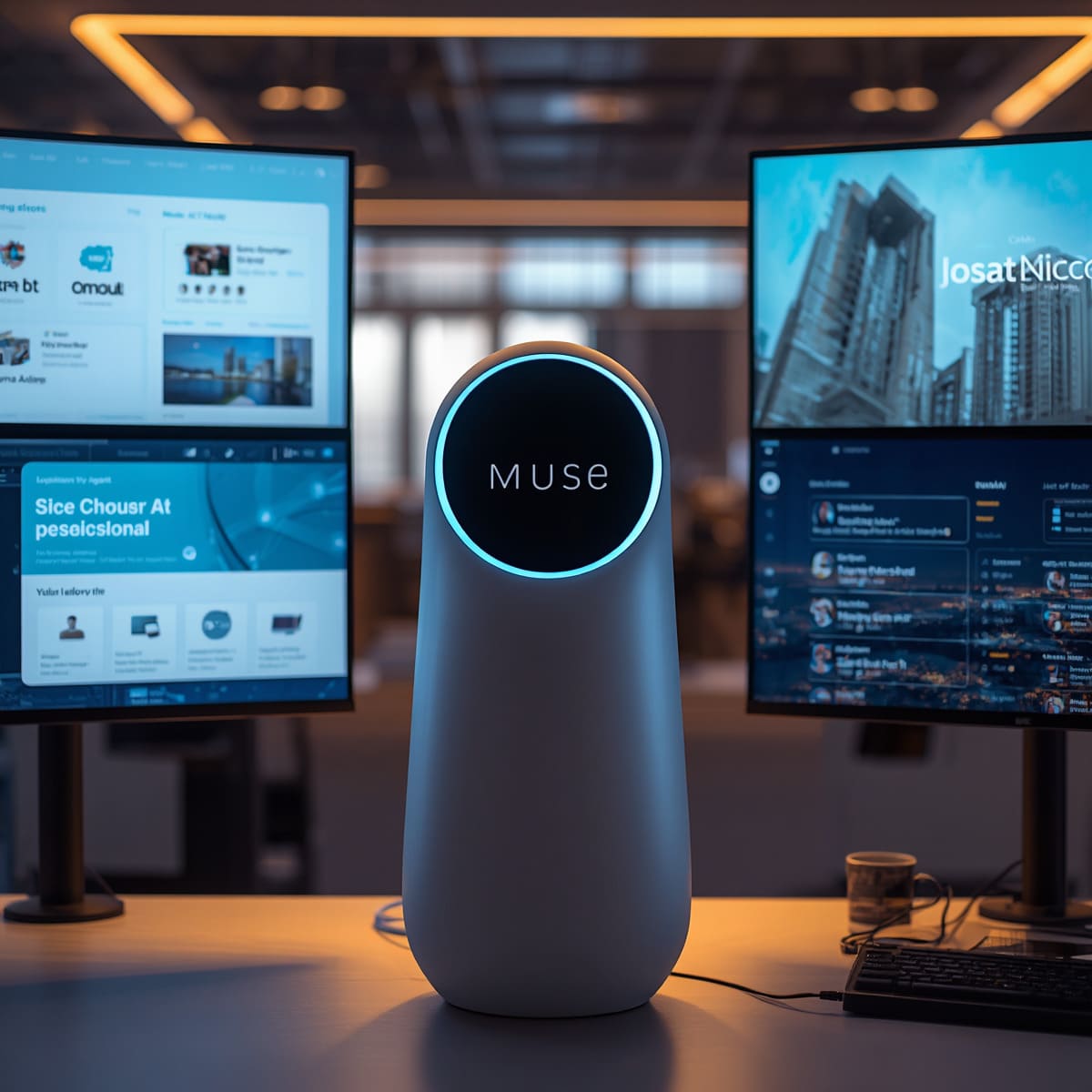
Agents often act for several people at once, using static credentials that were never meant for them. Agent identity links every action an agent takes to a model, a prompt and a credential, and grants access only for the task at hand. Consumer products are heading the same way. Meta designed its Muse agent so that sending an email or completing a purchase needs the user’s explicit approval.
The quickest win is usually offboarding. When an employee leaves, their accounts get disabled, but the agents they set up often keep running. Give every agent a named human owner and add agents to your identity inventory as a separate category.
Autonomous Exposure Remediation
Autonomous exposure remediation (AER) combines AI and automation to find, rank and fix vulnerabilities across the estate, up to deploying patches or virtual patches in production. Think of it as the security team’s answer to the coding harness. When agents ship code faster, patching has to speed up as well.
Fully automatic patching in production makes most CISOs nervous, with good reason. A sensible pilot starts with low-risk systems and keeps a person approving anything that touches production.
Theme 3: Durable Agility
Sovereign Tech
Sovereign tech means hardware, software, data and AI models set up so you could actually leave a critical provider. Gartner predicts that by 2030, more than 75% of organizations outside the U.S. will adopt digital sovereignty strategies to limit geopolitical and vendor lock-in risk.
Try this with your five biggest vendors: write down what leaving each one would involve. Most IT teams discover they have a contract for every provider and an exit plan for none of them.
Disposable Applications
Disposable applications are built for a specific job and retired once that job is done. AI makes software cheap to produce, so Gartner expects application portfolios to turn over much faster than before. Its separate predictions session at the same conference put a number on it: by 2029, 80% of new applications will be designed to be used for less than a year.
This connects directly to legacy system modernization, where retiring a system is the option most roadmaps forget. Disposable apps build retirement in from the start. A small change that helps: every new internal app request gets a review date.
Wetware as a Service
Wetware as a service gives cloud access to living or synthetic biological systems that compute using a fraction of silicon’s energy. AI’s power consumption is a real problem, and this is one proposed answer. It is still at the lab and pilot stage, with unresolved ethical questions about where the biological material comes from. For now it’s interesting reading, and it won’t need a budget line for years.
How These Trends Fit a Tight 2027 Budget
The trends land at an awkward moment for budgets. Gartner’s 2027 CIO and Technology Executive Survey puts average IT budget growth at 3.7%. After inflation, that leaves many organizations with very little new money. Meanwhile, 37% of respondents have already deployed AI agents, and another 34% plan to within twelve months.
Agent adoption is moving faster than the controls around it. That makes context platforms, agent identity and coding harnesses the strongest candidates for scarce funding, since each one reduces risk from agents that are already running. Quantitative and voice models deserve pilots where there’s a clear business case. World models and wetware can wait for next year’s list.
A 90-Day Starting Plan
- Count your agents. List every AI agent and copilot in production or pilot, with its owner and what it can access.
- Give agents proper identities. Move them off shared service accounts and into your identity system, each with a named owner.
- Write a review rule for agent code. One page on how agent-written code gets checked before release is enough to start.
- Find your business context. Locate the definitions, policies and approval rules a context platform would need.
- Run one pilot. Pick either a forecasting case for quantitative models or a voice case, and agree on the success metric before you start.
- Draft vendor exit notes. A single page per critical vendor opens the sovereignty conversation.
FAQ
What are Gartner’s top strategic technology trends for 2027?
Large quantitative models, speech reasoning models, world models, AI context platforms, agent coding harness, AI agent identity, autonomous exposure remediation, sovereign tech, disposable applications and wetware as a service. Gartner groups them under AI beyond text, governing autonomous agents and durable agility.
Which 2027 trend should CIOs prioritize first?
For most organizations, AI agent identity and AI context platforms. Both deal with agents that are already in production: one controls what they can access, the other controls what they know about the business.
Why does the 2027 list focus so much on AI agents?
Because adoption is already high. Over a third of CIOs in Gartner’s survey have agents deployed, and four of the ten trends address governing them.
What is an AI context platform?
A layer that gives AI agents controlled access to business knowledge, such as internal policies and data definitions, so their actions match how the organization actually works.